
May 17, 2026
How to Maintain a Graphene Ceramic Coated Vehicle: The Complete Owner's Guide
Introduction
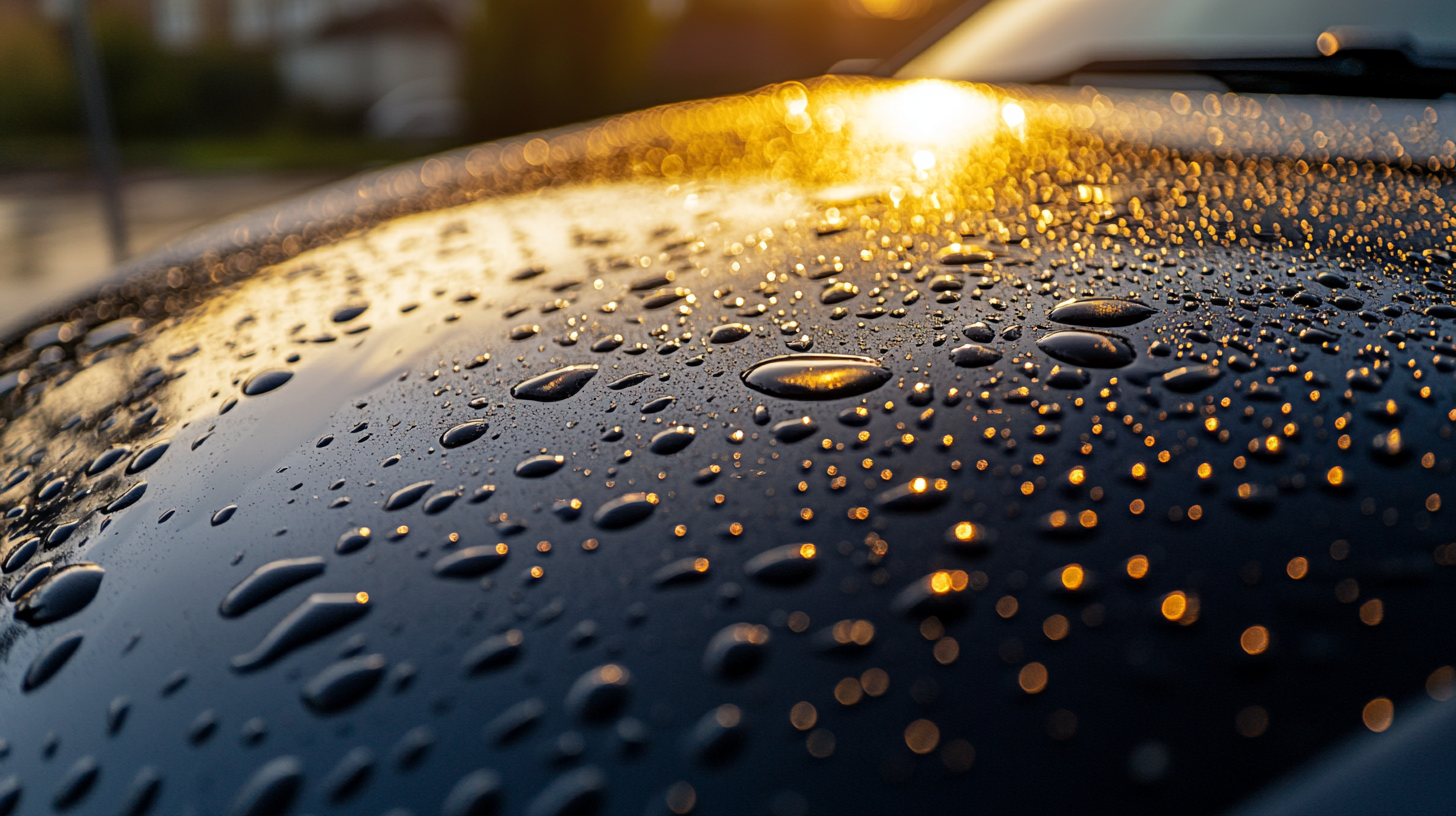
You just made one of the smartest investments you can make in your vehicle. Adam's Advanced Graphene Ceramic Coating isn't a detail spray or a weekend wax — it's a semi-permanent, chemically bonded layer of protection that transforms how your paint interacts with the world. We're talking extreme hydrophobicity (water sheets and beads like you've never seen), UV protection that fights paint fade and oxidation, scratch and swirl resistance, unmatched surface slickness, and a lifespan of 8–10 years when properly maintained.
But here's the part nobody talks about enough: the coating is only as good as the maintenance behind it. A graphene ceramic coating that gets run through automatic car washes every month and doused in dish soap isn't lasting 8 years — it's lucky to make it 2. The coating does the heavy lifting, but you determine how long it lasts.
This guide is your complete reference. Whether you just picked up your freshly coated vehicle or you're researching whether a coating is worth it — this covers everything: the critical curing period, proper wash technique, the right products, what to never do, and how to actively boost your coating year over year.
Section 1: The Curing Period — The First 7 Days Are Critical
Your coating was just applied — and right now, it's doing something remarkable at the molecular level. Adam's Advanced Graphene Ceramic Coating is actively chemically bonding to your clear coat, forming a rigid, semi-permanent matrix that will protect your paint for years. This curing process takes time, and what you do — or don't do — in the first 7 days has a direct impact on the final result.
During the first 7 days after installation, follow these rules without exception:
- Do NOT wash the vehicle for at least 7 full days. Water hitting the surface before full cure can disrupt the bonding process and cause water spots or streaks that become locked into the coating.
- Do NOT let water sit on the surface. If it rains, try to garage the vehicle or gently pat dry with a clean microfiber as soon as possible. Standing water during cure can leave permanent water marks.
- Do NOT apply any other product to the paint. No quick detailers, no spray waxes, nothing. Let the coating cure without interference.
- Do NOT park under trees. Tree sap and bird droppings can chemically etch a coating that hasn't fully hardened. Even a coating rated for years of protection is vulnerable during the cure window.
- Do NOT use automatic car washes — ever (more on that in Section 5).
What you might notice during the cure: The surface may look slightly streaky in certain lighting, or water may behave inconsistently. This is completely normal. The coating is still settling. By day 7–10, you'll see it performing at full capacity.
Section 2: How Often Should You Wash Your Coated Vehicle?
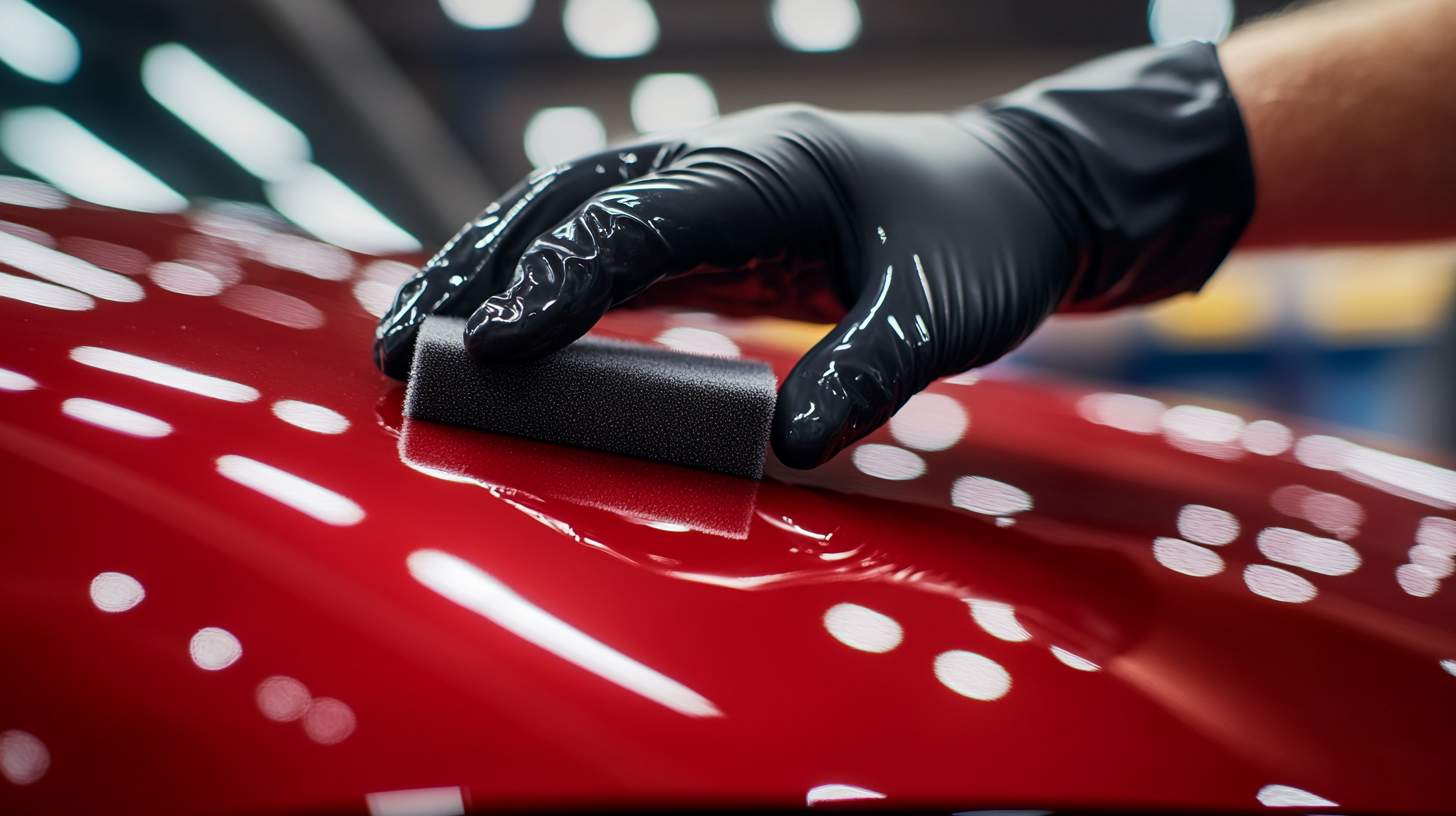
One of the biggest misconceptions about ceramic and graphene coatings is that they eliminate the need to wash your car. They don't. What they do is make washing dramatically easier — dirt releases more readily, water beads off rather than bonding to the surface, and contamination sits on top of the coating rather than embedding in your paint.
General rule: wash every 2 weeks at minimum, or whenever the vehicle is visibly dirty.
- Daily drivers: Every 1–2 weeks. Road grime, brake dust, and industrial fallout accumulate fast.
- Weekend or show cars: Every 2–4 weeks, or as needed based on use and exposure.
- High pollen, heavy bird activity, or tree sap season: Increase frequency. These contaminants can etch even a coated surface if left long enough.
Pro Tip: Don't wait for your scheduled wash day if you notice bird droppings, bug splatter, or tree sap. These are acidic and corrosive. Rinse them off immediately — even if that just means a quick blast with the hose. An ounce of prevention here saves a potential etch mark.
The coating makes each wash easier and faster. Take advantage of that and keep the surface clean consistently. Frequent light washes beat infrequent heavy decontamination sessions every time.
Section 3: The Right Way to Wash a Coated Car (Step-by-Step)
The wash process matters. Cutting corners introduces swirl marks and scratches that dull your paint — and on a coated vehicle, improper washing is one of the few things that can actually degrade the coating's performance over time. Follow this process every time.
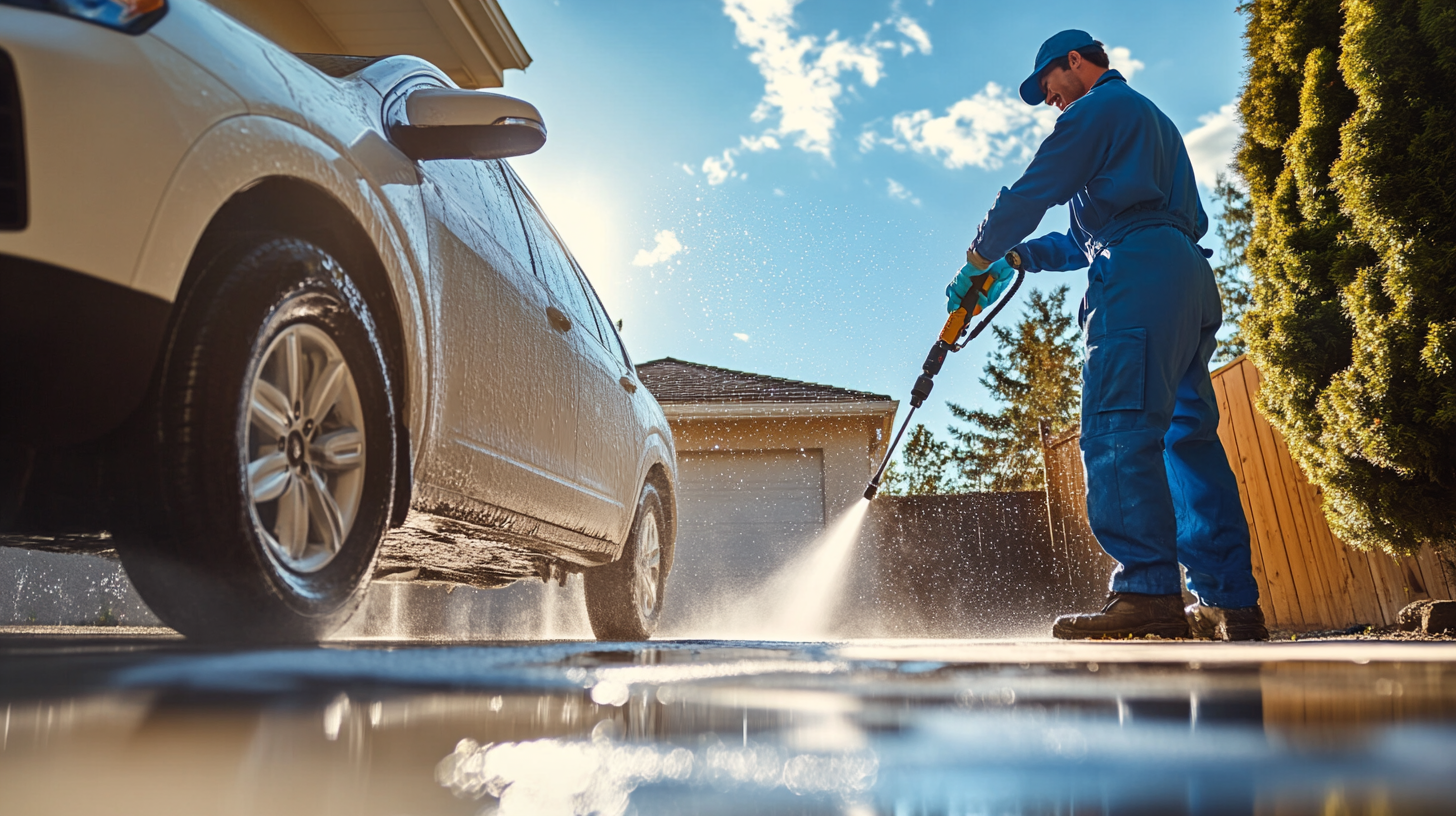
Step 1 — Pre-Rinse Start with a pressure washer or strong hose blast. The goal is to knock off loose dirt, debris, and surface grime before any contact with the paint. This single step prevents the majority of wash-induced swirl marks.
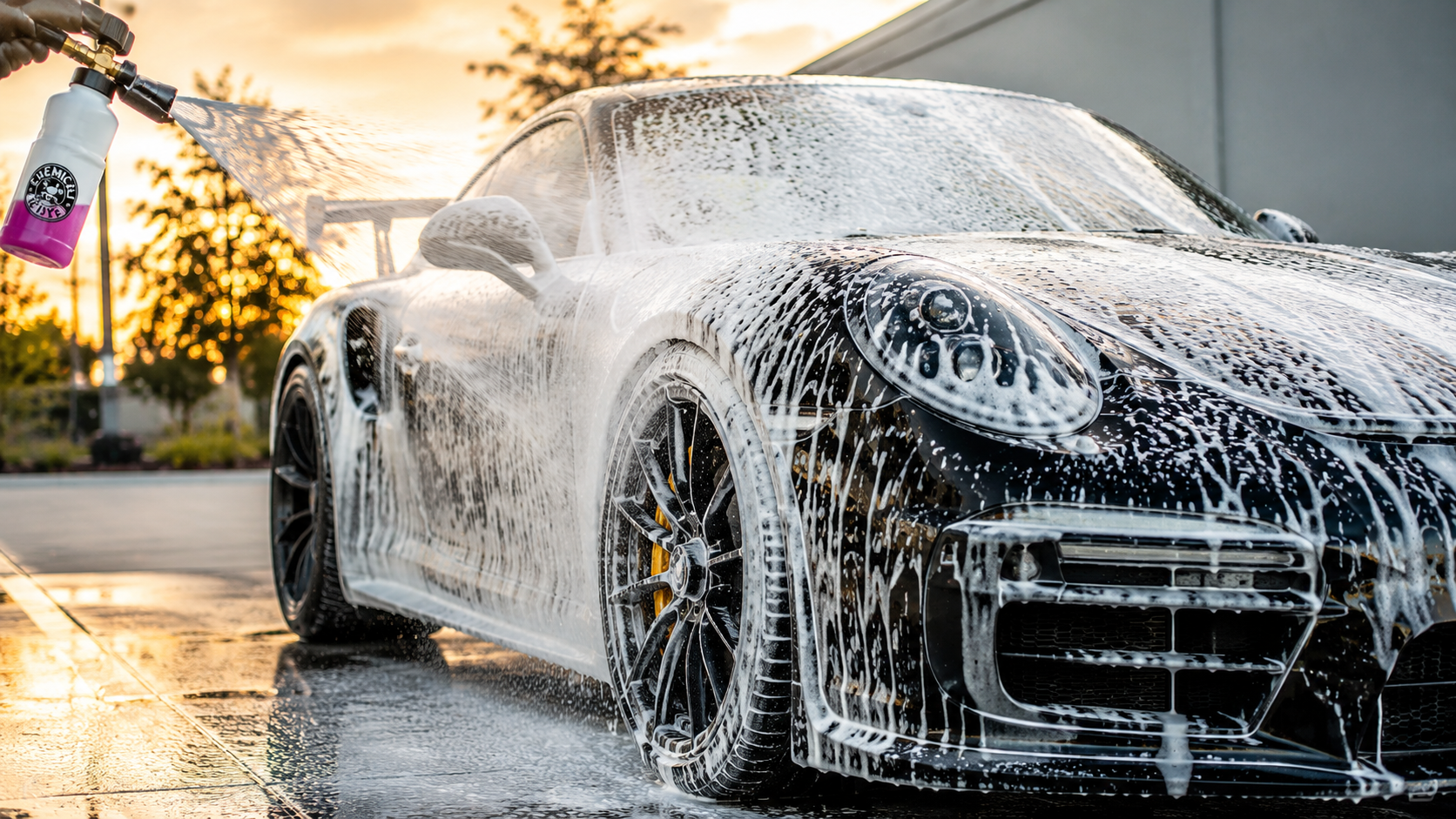
Step 2 — Foam Cannon / Snow Foam Application Apply a thick snow foam layer with a foam cannon. Let it dwell for 3–5 minutes. The foam clings to the surface, lubricates loose contamination, and lets the chemistry do the work before you ever touch the paint.
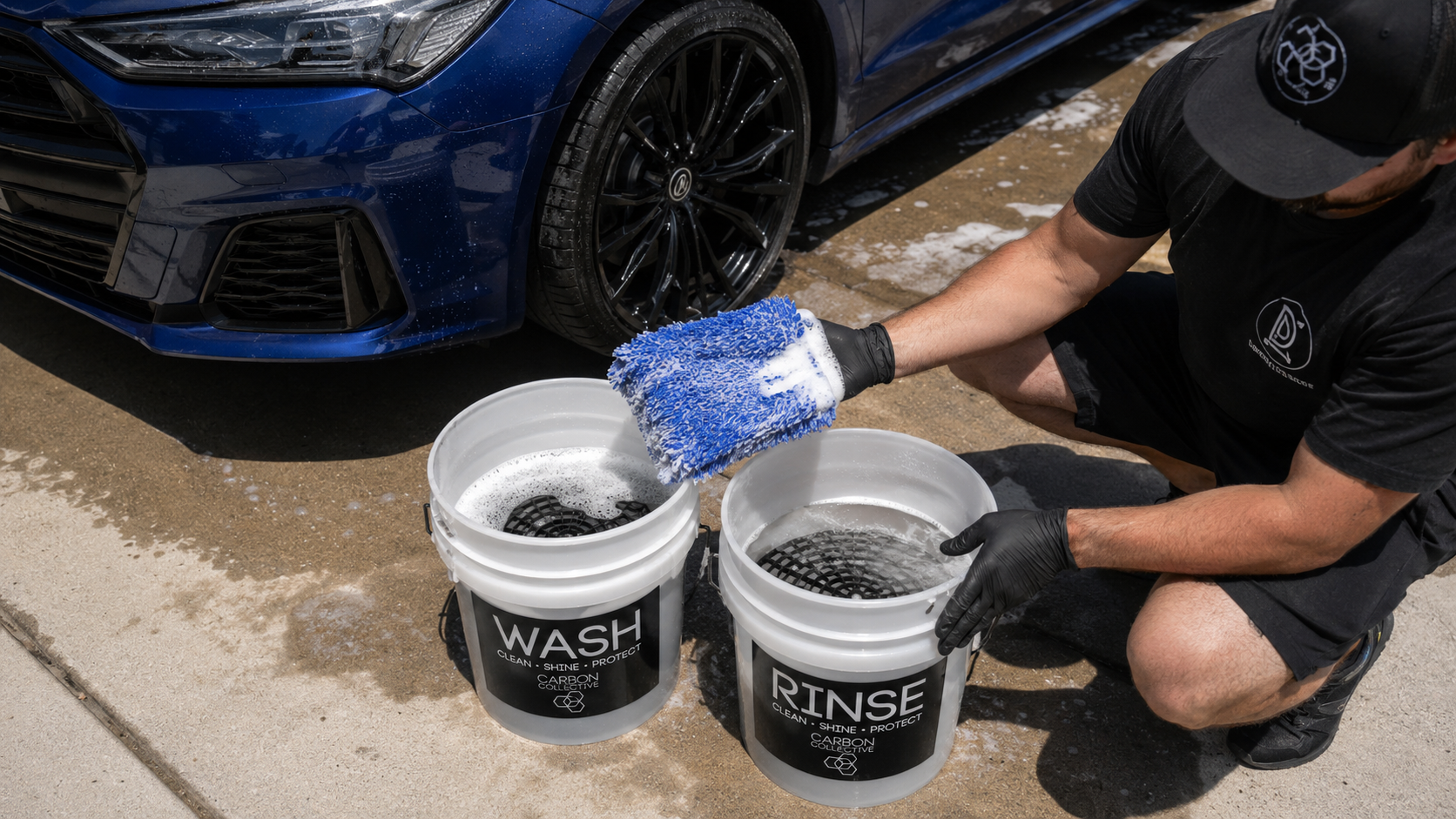
Step 3 — Two-Bucket Wash Method Set up two buckets: one with your pH-neutral shampoo solution, one with clean rinse water. Both should have grit guards installed at the bottom. This method keeps your wash mitt clean — dirty water goes back into the rinse bucket, not your soap bucket.
Step 4 — Use a Quality Wash Mitt Always use a high-quality microfiber or lambswool wash mitt — never a sponge. Sponges trap grit against the paint. A proper mitt lifts dirt away from the surface. Rinse your mitt in the clean water bucket after every panel.
Step 5 — Wash Top to Bottom Always work from the roof down to the rocker panels. The lower sections of the vehicle carry the heaviest contamination — keeping them for last prevents dragging that dirt across cleaner upper panels.
Step 6 — Final Rinse Rinse thoroughly, ensuring no soap residue remains on the surface. A pressure washer works well here — keep the nozzle at least 12 inches from the paint surface.
Step 7 — Drying This is where most people introduce scratches. The best method is a forced air blower (like the Metro Vac Air Force Blaster) — no contact, no risk. If you're using towels, use thick, plush microfiber drying towels and blot or pat rather than dragging across the surface. Never use a chamois.
Step 8 — Optional SiO2 Spray Topper While the surface is still slightly damp, apply a quick spray of a SiO2 spray coating like Adam's UV Ceramic Spray Coating. This adds an immediate boost to hydrophobicity and gloss after every wash.
Section 4: What Soaps Do We Recommend?
The Rule: Always use a pH-neutral car wash soap. No dish soap. No all-purpose cleaner. No household cleaning products of any kind.
Why pH-neutral matters: Acidic or highly alkaline soaps attack the coating at a chemical level. Over repeated washes, they strip the hydrophobic properties from the surface, reduce gloss, and shorten the lifespan of the coating dramatically. pH-neutral soaps clean effectively without compromising the coating's integrity.
Our Top Picks:
-
Adam's Graphene Shampoo — This is the brand-matched shampoo for your coating. It's infused with SiO2 and graphene nanoparticles, meaning every wash actively deposits a light protective layer back onto your coating. This is our top recommendation for coated vehicles.
-
Chemical Guys Honeydew Snow Foam — An excellent foam cannon option. pH neutral, produces thick suds, safe for coatings, widely available. A solid everyday choice.
-
Meguiar's Gold Class Car Wash — Reliable, affordable, pH balanced, and easy to find at any auto parts store. A trustworthy fallback when your preferred shampoo isn't available.
-
Griot's Garage Brilliant Finish Car Wash — A premium option that's coating-safe and SiO2-infused. Great lather and paint-safe chemistry.
Pro Tip: We personally recommend SiO2-infused shampoos because they deposit a thin layer of silica onto the coating with every wash, actively boosting hydrophobicity and gloss. Think of it as feeding your coating every time you clean it. Adam's Graphene Shampoo does this better than anything else on the market for your specific coating.
Section 5: What to Absolutely Avoid (Non-Negotiables)
These things will damage or degrade your coating. No exceptions.
-
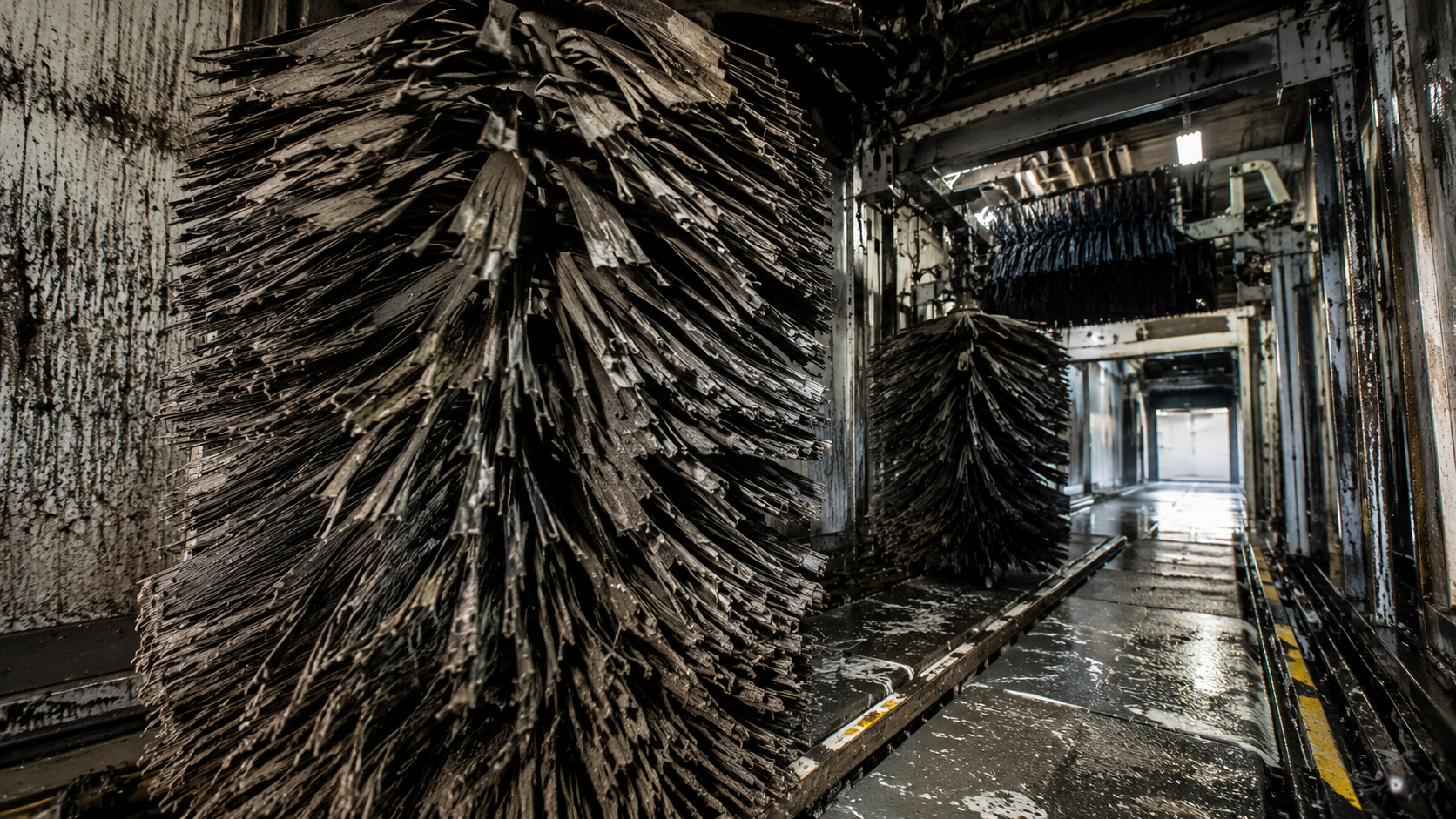
Automatic car washes — The brushes carry embedded grit from thousands of previous vehicles and will scratch your coating immediately. Even "touchless" automatic washes rely on extremely harsh alkaline chemicals to compensate for the lack of agitation. They will strip your coating. Never. Not once.
-
Dish soap or household cleaners — Dawn dish soap is actively marketed for its grease-cutting power. That's exactly the problem. It will cut through your coating. Keep it in the kitchen.
-
Abrasive wash mitts or sponges — Cellulose sponges trap dirt against the paint surface and grind it across your clear coat. This creates micro-swirls that accumulate into visible scratches. Always use a quality microfiber or lambswool mitt.
-
Leaving bird droppings, bug splatter, or tree sap — These are among the most corrosive substances your paint encounters. Bird droppings are highly acidic and can begin etching through the coating surface within hours in hot weather. Rinse them off immediately. Keep a spray bottle of detail spray in your car for emergencies.
-
Parking under trees long-term — Tree sap is relentless and sticky. Pollen is mildly acidic and accumulates fast. If your only parking option is under trees, rinse more frequently.
-
Waterless washes with low lubricity — Some waterless wash products lack sufficient lubrication and can drag grit across the surface. Only use coating-safe waterless products from reputable detailing brands.
-
Machine polishing without professional guidance — Polishing removes a thin layer of clear coat — and along with it, your coating. A coated vehicle can be polished, but doing so removes the coating and requires reapplication. Leave machine polishing to professionals.
-
Waxing over the coating — Wax cannot chemically bond to a ceramic or graphene ceramic coating. It sits on top temporarily, offers zero additional protection, and can actually leave a hazy film. Your coating IS your protection layer. Skip the wax entirely.
Section 6: Boosting & Maintaining the Coating Long-Term
Your graphene ceramic coating is the foundation — and it's a strong one. But the best results come from actively maintaining and boosting it over time. Here's how to keep your coating performing at full capacity year after year.
SiO2 Spray Toppers Products like Adam's UV Ceramic Spray Coating and Gtechniq C2v3 are applied after each wash while the car is still damp. They deposit a fresh layer of silica onto the coating, boosting hydrophobicity, gloss, and slickness. This is the easiest and most effective way to actively extend your coating's performance between professional details.
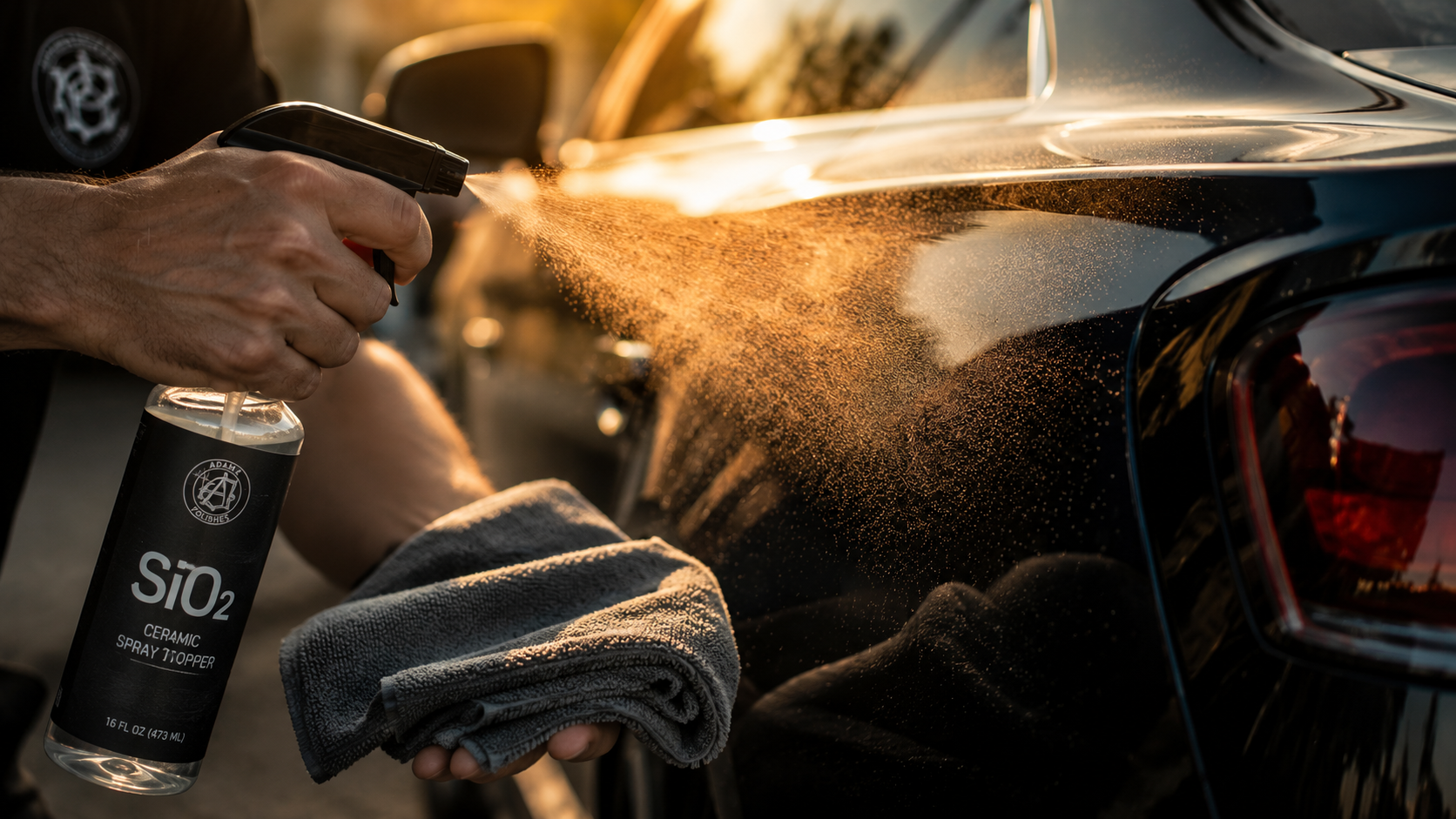
Graphene Detailer Sprays Between washes, a graphene-infused quick detailer keeps your surface slick and clean. Adam's Graphene Detail Spray is our go-to for in-between maintenance — use it to remove light dust and fingerprints without a full wash.
Annual Maintenance Detail We strongly recommend scheduling a professional coating inspection and maintenance detail once per year. This includes a proper multi-stage decontamination wash, an iron remover treatment to pull out embedded ferrous particles, and a fresh professional-grade SiO2 boost layer applied by a detailer who knows how to properly prepare and treat the surface. This single annual service can add years to your coating's effective lifespan.
Watch Your Water Behavior A well-maintained graphene ceramic coating makes water behave dramatically — tight, round beads that roll off at the slightest incline, or full sheeting when moving at speed. This is your real-world performance indicator. If you notice water no longer beading the way it used to, or if it starts to sheet inconsistently, your coating needs attention. Don't wait — book a maintenance appointment before the performance drops further.
Frequently Asked Questions
Q: Can I take my graphene ceramic coated car through an automatic car wash?
A: Absolutely not. Automatic car washes — even touchless ones — use harsh alkaline chemicals and high-pressure sprays that degrade your coating and introduce fine scratches into the surface. The brushes in traditional automatic washes are loaded with embedded grit from thousands of previous vehicles. Not once, not ever. Always hand wash.
Q: How long does Adam's Advanced Graphene Ceramic Coating last?
A: With proper maintenance — pH-neutral soap, hand washing, regular SiO2 top coats, and annual maintenance details — Adam's Advanced Graphene Ceramic Coating is rated to last 8–10 years. Skipping proper care can cut that lifespan to a fraction of its potential.
Q: Do I still need to wax my car after a graphene ceramic coating?
A: No. Wax cannot bond to a ceramic or graphene ceramic coating and provides zero additional protection. Your coating IS your protection layer — it's harder, more durable, and more chemically resistant than any wax product on the market. Use SiO2 spray toppers instead. They actually work with the coating chemistry.
Q: What if a bird drops on my coated car?
A: Rinse it off as soon as possible — ideally within a few hours, and immediately in hot weather. Bird droppings are highly acidic and will etch into the coating surface if left to bake in the sun. Keep a spray bottle of quality detail spray in your car for emergencies. A quick spray and gentle blot can prevent a permanent mark.
Q: My coating isn't beading water like it used to. Is it worn off?
A: Not necessarily — and don't panic. Loss of peak hydrophobicity is often just a sign that the coating surface needs a decontamination wash and a fresh SiO2 boost layer. Invisible contaminants like iron fallout and traffic film can mask the coating's performance without actually damaging it. Book a maintenance detail with us and we'll assess the coating, decontaminate the surface, and restore the hydrophobicity you remember.
Q: Can I use a pressure washer on my coated vehicle?
A: Yes — and we actually recommend it for the pre-rinse and final rinse stages. A pressure washer is one of the safest ways to remove loose contamination without touching the paint. Keep the nozzle at least 12 inches from the surface and avoid blasting directly at trim edges, rubber seals, or panel gaps where water can force its way in.
Q: How soon after installation can I wash my car?
A: Wait a minimum of 7 full days. The coating is chemically bonding to your clear coat during this window, and water contact can disrupt the curing process and lock in water spots or streaks. If it rains, try to get the vehicle under cover and gently pat dry with a clean microfiber. After day 7, you're clear to follow the regular wash process outlined in this guide.
Q: What's the difference between graphene ceramic coating and a regular ceramic coating?
A: Traditional ceramic coatings are built on SiO2 (silicon dioxide) chemistry — and they're excellent. Graphene ceramic coatings take that foundation and add carbon-based graphene nanoparticles to the matrix. The result: superior heat dissipation (graphene conducts heat away from the surface, reducing water spot formation on hot paint), improved anti-static properties (less dust and pollen attraction), a higher water contact angle for more aggressive beading, and increased tensile strength for better scratch and impact resistance. Graphene is the evolution of ceramic coating technology, and Adam's Advanced Graphene Ceramic Coating represents the top tier of what's currently available to consumers.
Conclusion
Adam's Advanced Graphene Ceramic Coating is one of the best investments you can make in your vehicle — full stop. It protects your paint from UV damage, chemical contamination, minor abrasion, and the relentless assault of daily driving in a way that nothing else on the market can match at this level. But like any serious investment, it rewards those who take care of it.
Follow the guidelines in this document. Wash correctly. Use the right products. Avoid the things that will degrade your coating. Stay ahead of contamination. Schedule your annual maintenance detail. Do those things consistently, and this coating will be protecting and beautifying your vehicle a decade from now.
If you have any questions about your specific coating, notice anything unusual with the surface, or want to book a maintenance detail to keep your investment performing at its peak — contact us.
Book your maintenance detail today →
This guide was written by Detail Genius — mobile detailing specialists. We install and maintain Adam's Polishes ceramic and graphene ceramic coatings for customers who take their vehicles seriously.